
Healthy Recipes

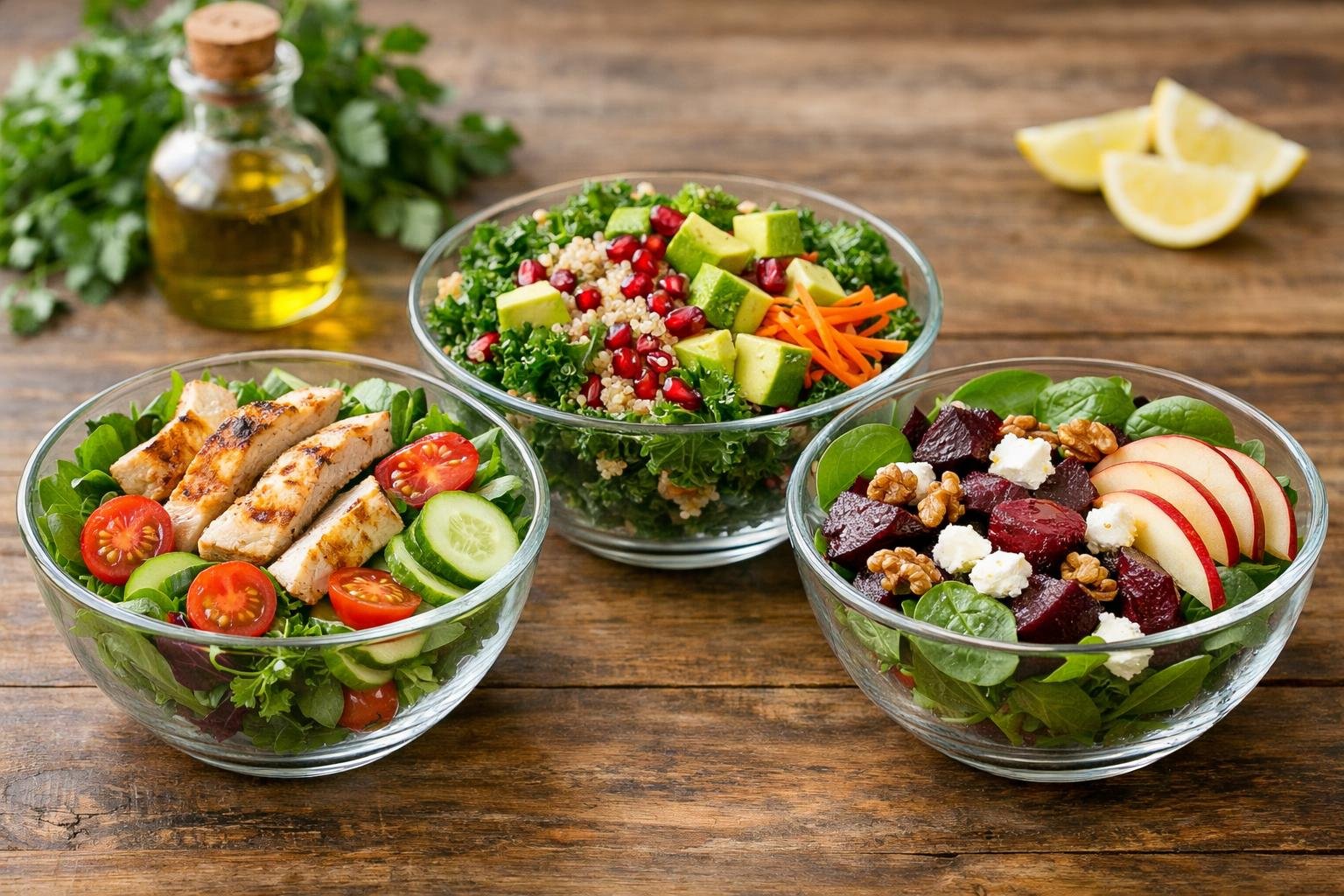
Three bowls of fresh weight loss salads with various colorful vegetables, fruits, and proteins arranged on a wooden table.

3 Weight Loss Salad Recipes: Healthy, Flavorful, and Easy Ideas

Salads can actually be a solid tool for weight loss—if you build them right. The trick is mixing lean protein, fiber-rich veggies, healthy fats, and a light dressing so you get a filling meal without piling on calories. A lot of folks think salads are boring, but honestly, they don’t have to be. The recipes here play with different flavors and textures, making weight loss meals something you might actually crave. They use ingredients that help manage hunger and give your body the good stuff it needs. Plus, you won’t have to hunt down specialty ingredients—just regular grocery store fare. These aren’t fussy recipes. You can whip them up in about 15 minutes, which is handy for hectic days or when you’re doing meal prep for the week. They hit that sweet spot between tasty and nutritious, so you won’t feel like you’re missing out just to eat healthy. Key Takeaways To stay satisfied, build weight loss salads with protein, fiber, healthy fats, and just enough dressing The recipes mix up flavors and textures to keep things interesting Each salad is quick—15 minutes or less—and uses easy-to-find ingredients Essential Principles of Weight Loss Salads If you want salads that actually help with weight loss, you’ll need more than just lettuce. Combining protein, fiber-rich veggies, and smart toppings turns a salad into a meal that keeps you full and supports your goals. What Makes a Salad Recipe Effective for Weight Loss For weight loss, a salad should fill you up and give you nutrients without loading you with calories. It’s not just about veggies and dressing—you want the full meal deal. So what matters? First, you need enough protein so you’re not hungry an hour later. Next, fiber from veggies and whole grains helps with fullness. Healthy fats (but not too much) help your body use the nutrients. And honestly, if it doesn’t taste good, you’re not going to stick with it. Sticking to salads in the 300–500 calorie range gives you enough energy for a meal while still helping create that calorie deficit for weight loss. The Importance of Lean Proteins and Fiber Lean proteins are the backbone of a filling salad. Your body actually burns more calories digesting protein than carbs or fats—kind of a bonus. Add 3-4 ounces of protein to each salad. Good picks: grilled chicken breast, canned tuna, salmon, shrimp, hard-boiled eggs, chickpeas, lentils, or tofu. You’ll get about 20–25 grams of protein per serving, which helps you keep muscle as you lose weight. Fiber’s the other big player. Aim for at least 8–10 grams per salad. Get it from veggies, beans, whole grains (like quinoa or farro), and nuts or seeds. Chickpeas and lentils are especially handy since they give you both protein and fiber. Choosing Leafy Greens and Colorful Veggies Leafy greens give your salad volume without a lot of calories. Each type brings its own thing to the table—nutrients, texture, flavor. Some nutrient-dense leafy greens: Spinach (iron, folate) Kale (vitamins A, C, K) Arugula (peppery kick) Romaine (crunch, vitamin C) Mixed greens (a little of everything) Colorful veggies mean more vitamins, minerals, and antioxidants. The more colors, the better. Red peppers, purple cabbage, orange carrots, yellow squash, white cauliflower—they all add something different. Non-starchy veggies like cucumbers, tomatoes, radishes, and bell peppers bulk up your salad and keep calories low. You can really load up on these without worrying about overdoing it. Healthy Homemade Dressings and Toppings Bottled dressings are often packed with sugar and unhealthy fats. Making your own gives you control over what’s going in—and how much. For a basic healthy dressing, try a 3:1 ratio of oil to acid. Olive oil or avocado oil work well. Lemon juice, lime juice, or vinegar add brightness. A lime dressing (lime juice, olive oil, garlic) is zesty without being sweet. Sesame dressing (sesame oil, rice vinegar, ginger) is great for Asian salads. Tahini dressing (tahini, lemon juice, water) makes things creamy without dairy. Stick to 2 tablespoons of dressing per salad to keep calories in check. For crunch, add a measured sprinkle of nuts, seeds, or roasted chickpeas instead of croutons. Fresh herbs like cilantro, basil, or parsley give a flavor boost without extra calories. 3 Weight Loss Salad Recipes with Unique Flavors Here are three salads that pack a punch with flavor and keep you full with ingredients like chickpeas, white beans, quinoa, and fruit. Each one brings protein and fiber to the table, helping you stay satisfied without overdoing it on calories. Chickpea Avocado Salad with Lime Dressing This one’s all about plant-based protein and healthy fats. Grab a 15-ounce can of chickpeas (rinse and drain), dice up an avocado, throw in some cherry tomatoes, cucumber, and red onion. The lime dressing is the star here—just mix fresh lime juice, olive oil, minced garlic, and a pinch of cumin. Bright, fresh, and not heavy at all. Add some chopped cilantro, salt, and pepper. Chickpeas deliver about 7 grams of protein per half cup, and avocado gives you those healthy fats that help your body soak up the good stuff. This salad holds up well for meal prep. If you’re making it ahead, wait to add the avocado until you’re ready to eat so it doesn’t get mushy. White Bean and Quinoa Power Salad This combo is super filling and gives you complete protein. Cook half a cup of quinoa and let it cool, then mix in a can of white beans (cannellini or great northern are both good). Add diced bell peppers, shredded carrots, and chopped parsley. Between the beans and quinoa, you get plenty of protein and fiber—white beans alone offer 8 grams per half cup. For the dressing, whisk up olive oil, red wine vinegar, Dijon mustard, and a bit of honey. It’s light but flavorful. The mix of quinoa and beans keeps you full for a long time. One serving is about 300 calories and gives you 12–15 grams of protein. You can eat this cold or

Read More »
Vegetarian meal prep with healthy Indian-inspired dishes.

High-Protein Indian Vegetarian Meals to Add to Your Weekly Rotation

If you think getting enough protein on a vegetarian diet is difficult, Indian cuisine is here to prove you wrong. Rich in legumes, dairy, whole grains, and plant-based proteins, Indian food offers a diverse and delicious way to meet your daily protein needs without ever touching meat. Whether you’re trying to build muscle, lose weight, or simply maintain a balanced diet, adding high-protein vegetarian meals to your weekly rotation can make a big difference. Let’s explore why protein matters, and then dive into a variety of Indian dishes that are both nutritious and satisfying. Why Protein is Important Protein plays a crucial role in your body. It helps build and repair tissues, supports muscle growth, boosts metabolism, and keeps you feeling full longer. For vegetarians, the challenge is not the lack of options but knowing which foods to prioritize. Indian diets are naturally rich in protein sources such as: Lentils (dal) Chickpeas (chana) Kidney beans (rajma) Paneer (cottage cheese) Yogurt (curd) Soy products (tofu, soy chunks) Whole grains like quinoa and millets When combined thoughtfully, these foods can provide complete protein profiles. 1. Dal Tadka with Brown Rice A staple in Indian households, dal is one of the easiest ways to increase protein intake. Why it works: Lentils are packed with protein and fiber Pairing with brown rice creates a complete protein Protein boost tip: Add a mix of dals like moong, masoor, and toor for a richer amino acid profile. 2. Paneer Bhurji Paneer is a vegetarian’s best friend when it comes to protein. Why it works: High in protein and calcium Quick to prepare and very versatile How to enjoy: Serve with whole wheat roti or use it as a filling for wraps and sandwiches. 3. Chole (Chickpea Curry) This North Indian favorite is both hearty and nutritious. Why it works: Chickpeas are rich in protein and fiber Keeps you full for longer Protein boost tip: Pair with quinoa instead of rice for an extra protein punch. 4. Moong Dal Cheela A perfect high-protein breakfast or snack option. Why it works: Made from soaked and blended moong dal Light, easy to digest, and protein-rich Serving idea: Stuff with paneer or vegetables to enhance the nutritional value. 5. Rajma (Kidney Bean Curry) Comfort food that’s also protein-rich? Yes, please! Why it works: Kidney beans are loaded with protein and iron Great for meal prep and leftovers Healthy swap: Use brown rice or millet instead of white rice. 6. Palak Paneer A nutritious combination of leafy greens and protein. Why it works: Spinach adds iron and vitamins Paneer contributes high-quality protein Tip: Use low-fat paneer if you’re watching calories. 7. Soya Chunk Curry Soya chunks are one of the highest plant-based protein sources available. Why it works: Extremely high protein content Affordable and easy to cook Flavor tip: Soak well and cook with spices to eliminate the raw taste. 8. Quinoa Upma A modern twist on a traditional South Indian dish. Why it works: Quinoa is a complete protein Light yet filling Add-ons: Include peanuts, vegetables, and curry leaves for extra nutrition. 9. Sprouts Salad (Moong Sprouts) Simple, raw, and incredibly nutritious. Why it works: Sprouting increases protein availability Rich in enzymes and easy to digest Serving idea: Add lemon juice, onions, tomatoes, and chaat masala for flavor. 10. Besan Chilla Made from gram flour, this is another quick protein-rich dish. Why it works: Chickpea flour is high in protein Easy and quick to prepare Enhancement: Add chopped veggies or paneer for extra protein. 11. Curd (Dahi) with Flaxseeds or Nuts Sometimes, simple combinations work best. Why it works: Yogurt provides protein and probiotics Nuts and seeds add healthy fats and more protein When to eat: Perfect as a side dish or snack. 12. Tofu Stir-Fry (Indian Style) A great alternative to paneer for vegans. Why it works: High in protein and low in fat Absorbs flavors well Cooking tip: Use Indian spices like turmeric, cumin, and garam masala for a desi twist. 13. Mixed Dal Khichdi Comfort food that’s also nutritious. Why it works: Combines rice and lentils for complete protein Easy to digest and ideal for busy days Upgrade it: Add vegetables and a dollop of ghee for taste and nutrition. 14. Peanut Chutney Often overlooked, peanuts are protein powerhouses. Why it works: High protein and healthy fats Great accompaniment to dosa or idli 15. Millet-Based Meals (Bajra, Ragi) Traditional grains are making a comeback and for good reason. Why it works: Rich in protein, fiber, and minerals Gluten-free and gut-friendly Meal ideas: Bajra roti with dal Ragi dosa or porridge Tips to Maximize Protein Intake Combine foods wisely Pair legumes with grains to form complete proteins. Include dairy or alternatives Paneer, curd, and tofu are excellent protein sources. Snack smart Choose roasted chana, peanuts, or sprouts over processed snacks. Plan your meals Ensure every meal includes a protein component. Don’t ignore portion sizes Even healthy foods need to be eaten in adequate quantities. Sample High-Protein Vegetarian Day Plan Breakfast: Moong dal cheela with paneer filling Lunch: Rajma with brown rice and salad Snack: Sprouts chaat or roasted chana Dinner: Palak paneer with bajra roti Before bed: A bowl of curd with flaxseeds Final Thoughts Indian vegetarian cuisine is incredibly diverse and naturally rich in protein you just need to make intentional choices. By incorporating dishes like dal, paneer, legumes, and whole grains into your meals, you can easily meet your protein requirements without compromising on taste. The key is balance, variety, and consistency. Rotate these meals throughout your week, experiment with ingredients, and enjoy the journey of eating healthy while staying true to flavorful Indian traditions.

Read More »

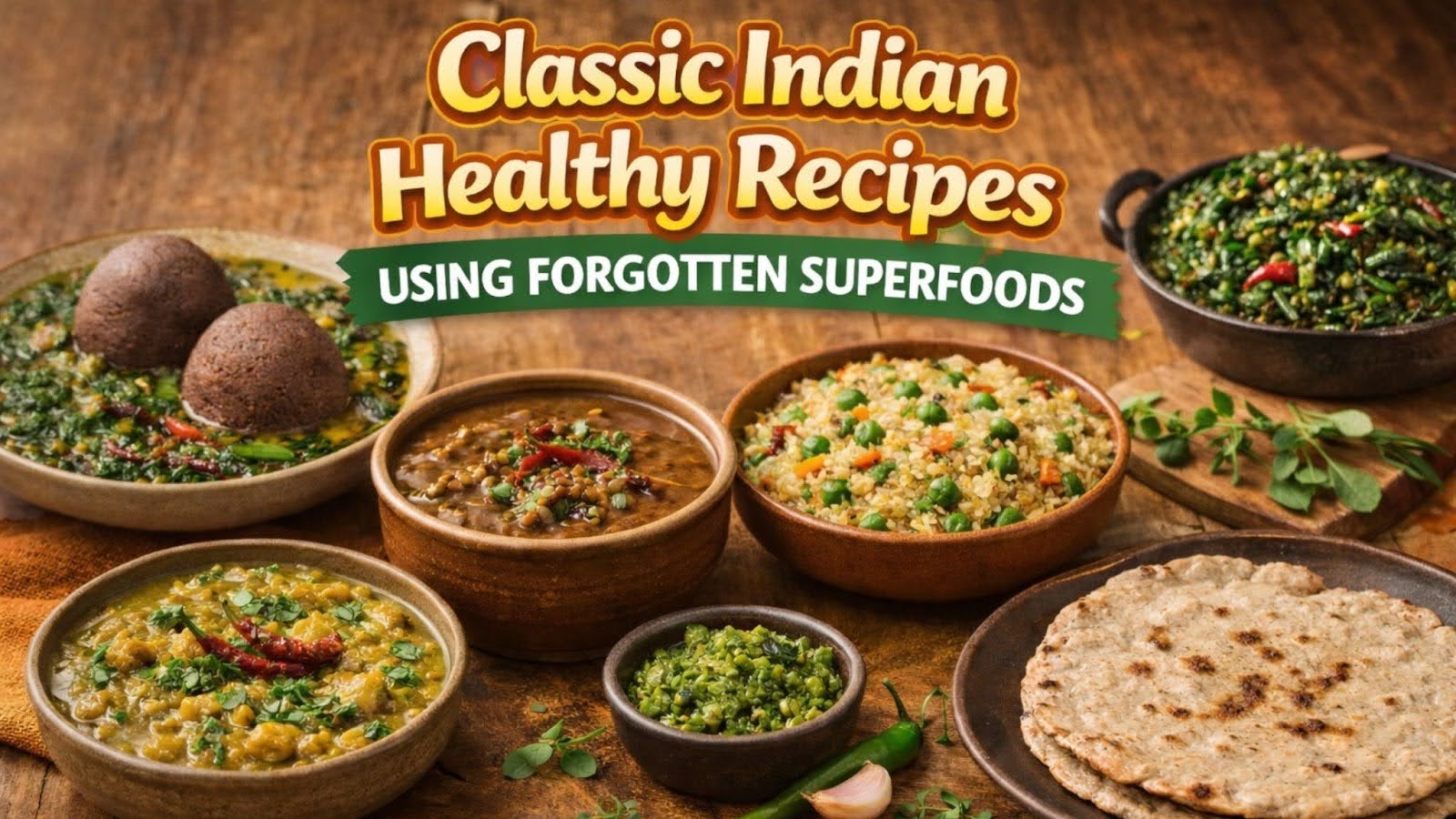
Classic Indian Healthy Recipes Using Forgotten Superfoods

Introduction: The Treasure Hidden in Plain Sight Walk into any modern health food store and you’ll find shelves lined with quinoa, chia seeds, acai berries, and kale chips all imported, all expensive, and all marketed as the next big superfood. But here’s the truth that your grandmother already knew: India has always had its own extraordinary superfoods. They were sitting quietly in her kitchen, growing in her backyard, and bubbling in her clay pots long before the word “superfood” was ever coined. Somewhere between the rise of processed food culture and our obsession with Western wellness trends, we forgot about the humble horse gram, the mighty ragi, the overlooked rajgira, the powerful moringa, and the incredibly versatile water chestnut. These ingredients were once the backbone of Indian cooking eaten daily across generations and science is now confirming what our ancestors always knew: they are nutritional powerhouses. This blog is a celebration of those forgotten Indian superfoods. We’re bringing them back to your kitchen through classic, time-tested recipes that are not only deeply rooted in our culinary heritage but are also incredibly good for your body. Whether you’re looking to boost energy, improve digestion, manage weight, or simply eat better these recipes are your answer. Let’s rediscover the gold that was always ours. What Are “Forgotten” Indian Superfoods? Before we get to the recipes, let’s meet the superstar ingredients we’re working with. These are foods that were once staples of regional Indian diets but have slowly faded from everyday cooking in urban households. Ragi (Finger Millet): A gluten-free grain packed with calcium, iron, and dietary fibre. Ragi contains more calcium than milk per 100 grams and was the primary weaning food for babies across South India for centuries. Horse Gram (Kulthi Dal): One of the highest plant-based protein legumes in the world. Used widely in Karnataka, Andhra Pradesh, and Maharashtra, horse gram was prescribed in Ayurveda for kidney stones, obesity, and respiratory conditions. Rajgira (Amaranth): A pseudo-grain eaten during Hindu fasts, rajgira is rich in lysine an amino acid missing from most grains. It’s high in protein, iron, and antioxidants. Moringa (Drumstick Leaves): Called the “miracle tree” in global nutrition circles, moringa leaves contain more vitamin C than oranges, more calcium than milk, and more iron than spinach. Yet most Indians use only the drumstick pods and throw away the leaves. Singhara (Water Chestnut Flour): Another fasting food that deserves everyday attention. Singhara flour is gluten-free, cooling in nature, and rich in potassium, manganese, and B vitamins. Jowar (Sorghum): A drought-resistant millet that was eaten across Maharashtra, Rajasthan, and Karnataka for thousands of years. Rich in antioxidants, fibre, and B vitamins, jowar is now being recognised globally as a superfood grain. Now, let’s cook with them. Classic Indian Healthy Recipes Using Forgotten Superfoods   1. Ragi Mudde with Palak Dal Superfood: Ragi | Origin: Karnataka   Ragi mudde dense, dark balls made from finger millet is one of the most iconic dishes of rural Karnataka. Farmers have sustained themselves on this for generations, and it’s easy to understand why. Ragi mudde is extraordinarily filling, rich in calcium and iron, and has a very low glycaemic index making it ideal for diabetics and those managing weight. How to make it: Boil water in a heavy-bottomed pan. Add a handful of ragi flour, stirring continuously to avoid lumps. Cook on low heat until the mixture becomes very thick and begins to pull away from the sides of the pan. Wet your hands, take portions, and roll into smooth, firm balls. Pair with a simple palak dal: cook toor dal until soft, add blanched and pureed spinach, temper with mustard seeds, garlic, dried red chilli, and a squeeze of tamarind. The earthy, slightly nutty ragi mudde soaked in the tangy, iron-rich palak dal is a nutritional masterpiece. Why it matters: One ragi mudde provides roughly 15–20% of your daily calcium requirement. Paired with spinach dal, this meal delivers iron, folate, protein, and fibre in a single bowl something no expensive supplement can replicate 2. Kulthi Dal (Horse Gram Soup)   Superfood: Horse Gram | Origin: South India & Maharashtra Horse gram is not the prettiest of lentils. It’s small, brownish, and stubborn to cook. But what it lacks in looks, it makes up for in sheer nutritional power. Horse gram has the highest protein content among all cultivated legumes and is loaded with polyphenols that fight inflammation and oxidative stress. In traditional homes across Karnataka and Andhra Pradesh, kulthi soup was the winter staple served to those recovering from illness, to new mothers, and to anyone needing strength. How to make it: Soak horse gram overnight and pressure cook until soft (4–5 whistles). In a heavy pan, heat oil and add a generous tempering of mustard seeds, cumin, dried red chillies, curry leaves, and finely chopped garlic. Add the cooked horse gram with its water that dark, thick cooking liquid is pure nutrition, do not discard it. Add tamarind pulp, jaggery, and salt. Simmer until it reaches a thick, soupy consistency. Finish with fresh coriander. Why it matters: Horse gram has been shown in multiple studies to help reduce kidney stones, manage blood sugar levels, and support weight loss by keeping you full for longer. It is truly one of nature’s most underrated medicines. 3. Rajgira (Amaranth) Khichdi Superfood: Rajgira / Amaranth | Origin: Pan-India (traditionally eaten during Navratri) Most people know rajgira only as a fasting food popped amaranth mixed with jaggery to make laddoos on Ekadashi. But this ancient grain deserves a permanent spot on your everyday table. Amaranth is one of the few plant foods considered a complete protein, meaning it contains all nine essential amino acids. How to make it: Rinse rajgira (whole grain amaranth, not the popped version) and cook with double the water until the grains are soft and creamy similar to a porridge or congee. In a separate pan, prepare a simple tadka: heat ghee, add cumin seeds, finely chopped ginger, green chillies, and diced sweet

Read More »